
The Ramana Record
Ludhiana, India
Yards that still treat scrap as a single pile are leaving money — and furnace time — on the floor. The mills we visit this season want charge that is sized, cleaned and predictable before it ever reaches the melt shop.
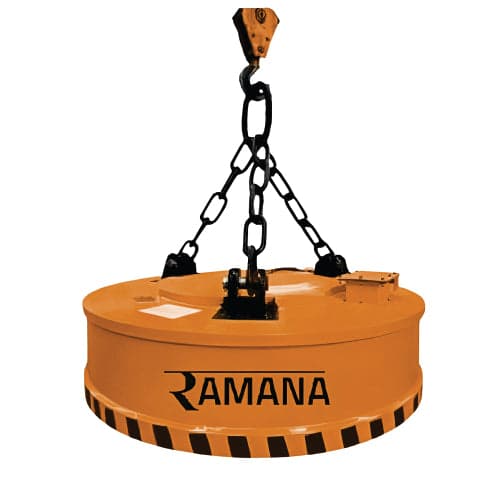
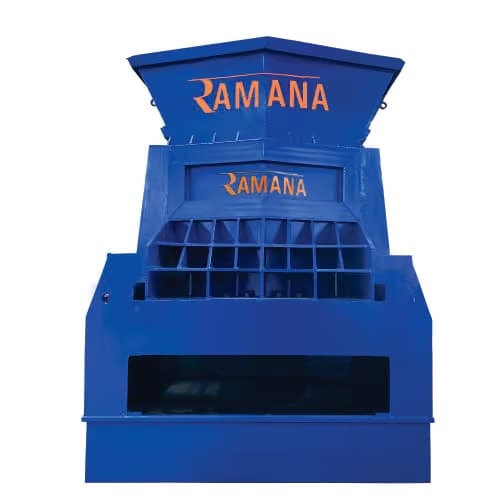
That shift is why container shears, heavy crushers and grabbers are no longer “yard extras”. They are the first process step in a steel plant’s cost model. A well-set shear box and a rotor matched to the feed can cut downstream energy use and reduce the tramp that damages refractories.
The cheapest tonne is the one that does not have to be re-handled.
Ramana’s project teams now start every enquiry with three questions: what is the feed, what is the target size, and how many hours will the line run. From there the recommendation is a machine, not a catalogue page — drive, cooling and foundation included.
Operators who make that change report fewer unplanned stops and a cleaner mix at the furnace. The journal will keep following those yards as the next generation of shears and crushers comes online.
Machines in this report
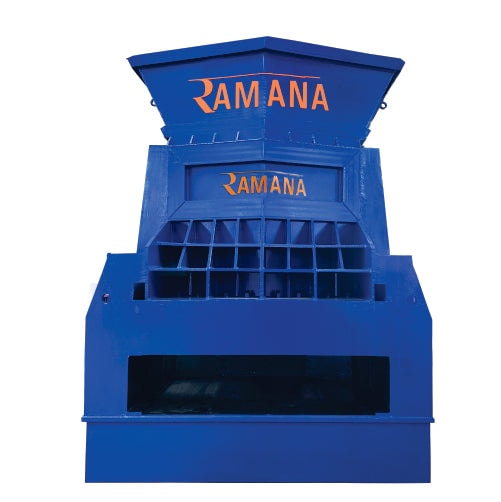
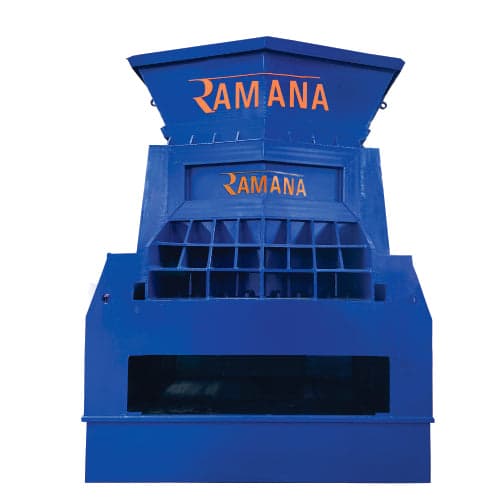
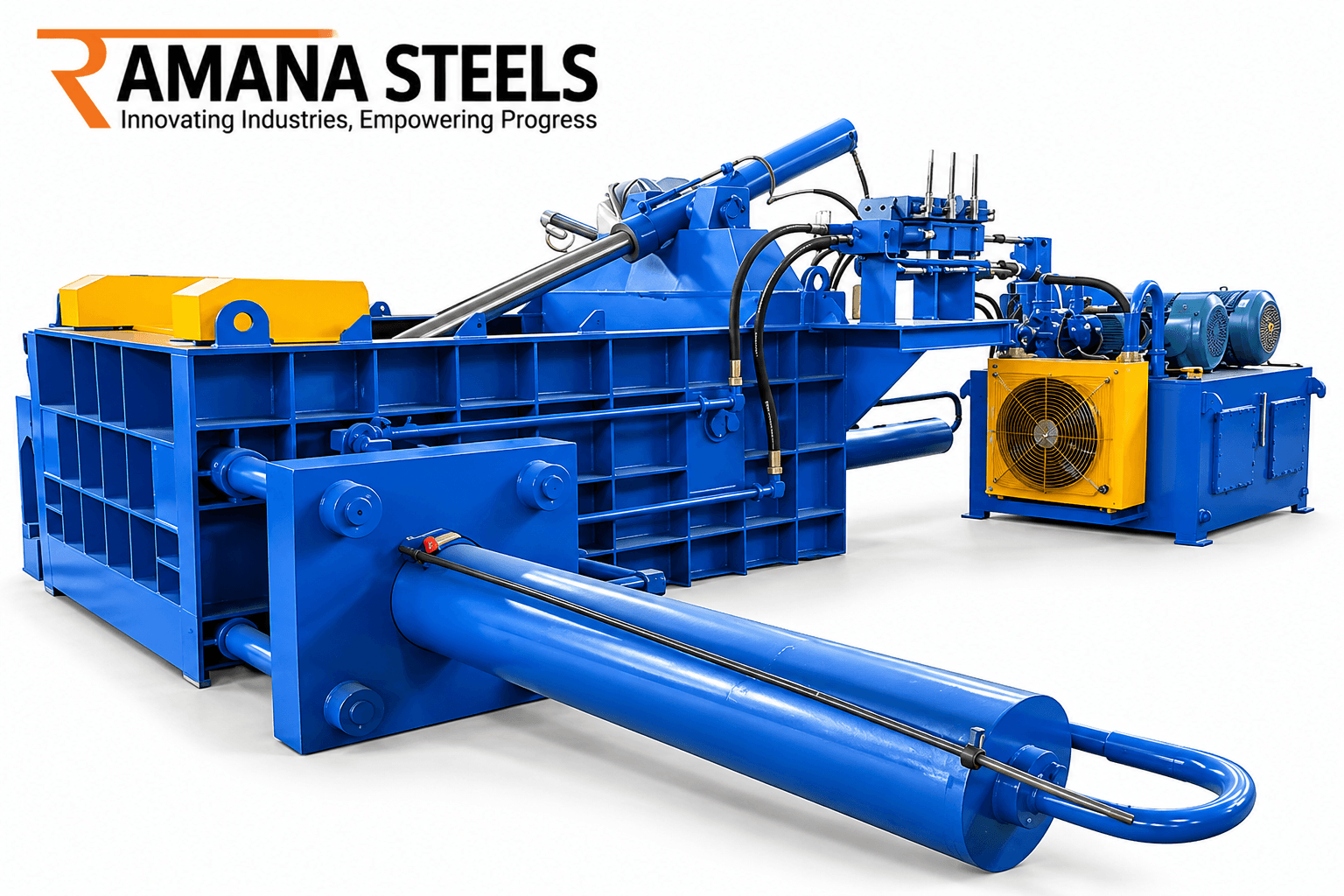
Horizontal Automatic Container Shear
PLC-controlled hydraulic shear for light and thin scrap, metal structures and domestic scrap.
View details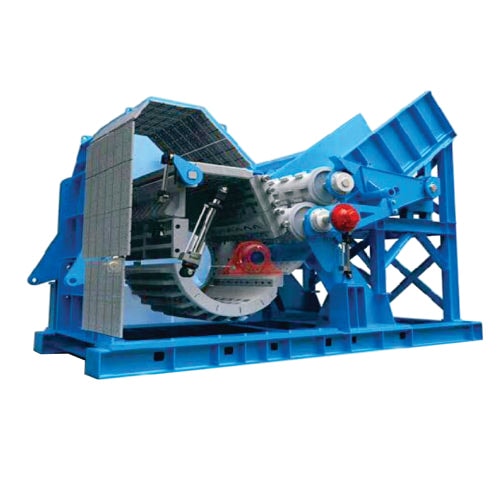
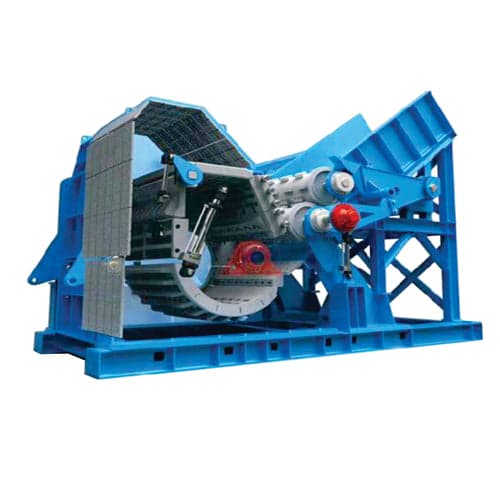
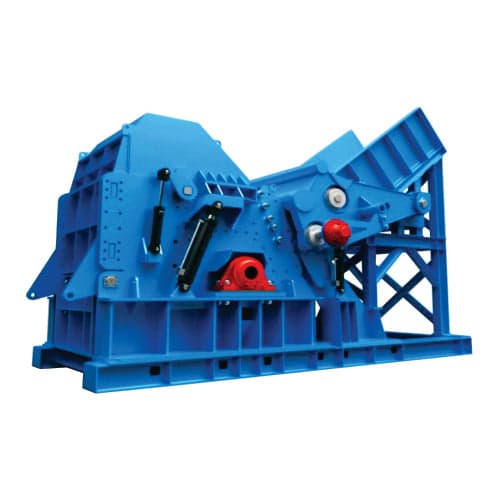
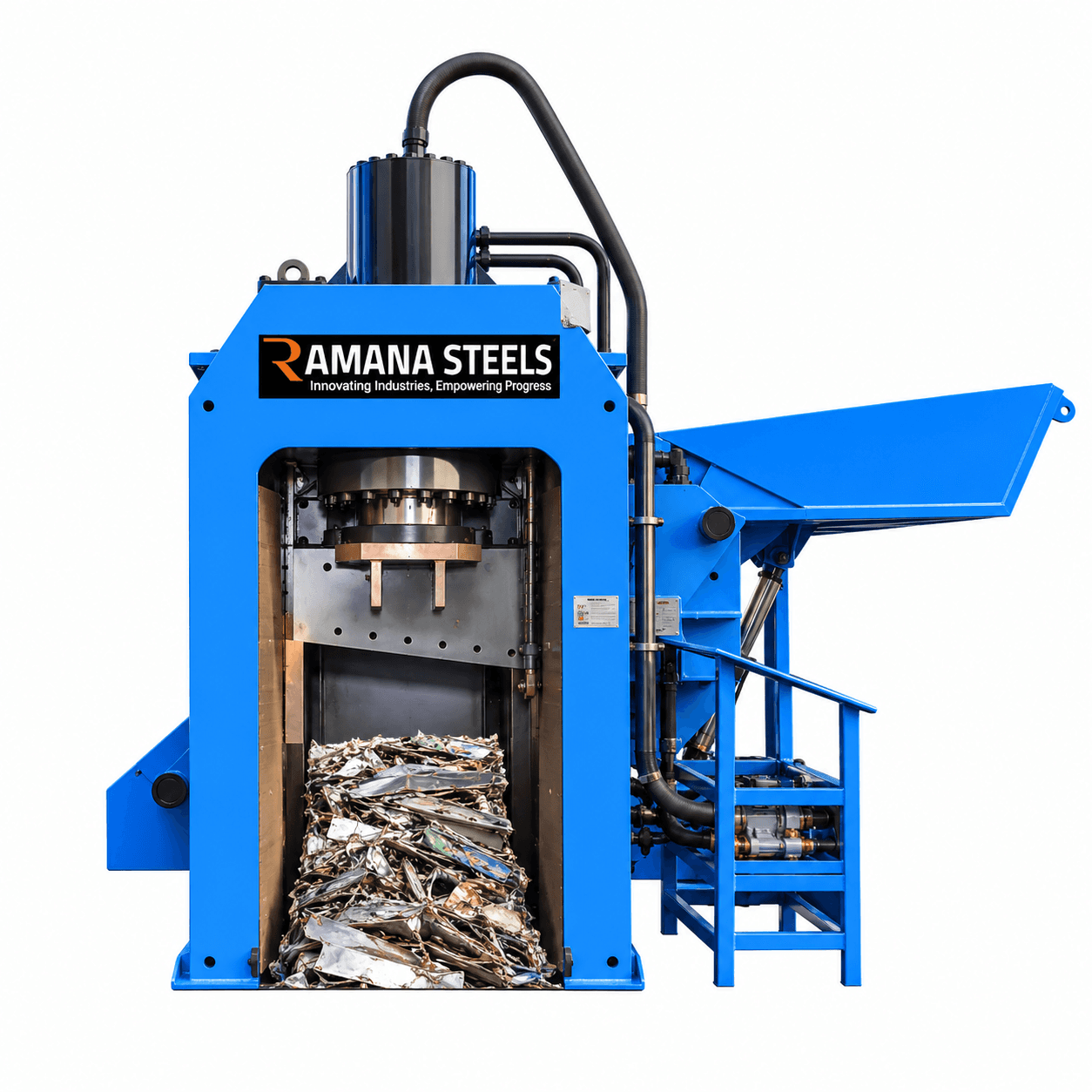
Heavy Scrap Crushing Equipment
650–3000 HP crusher with high-manganese hammers and magnetic separation for mill-grade scrap.
View details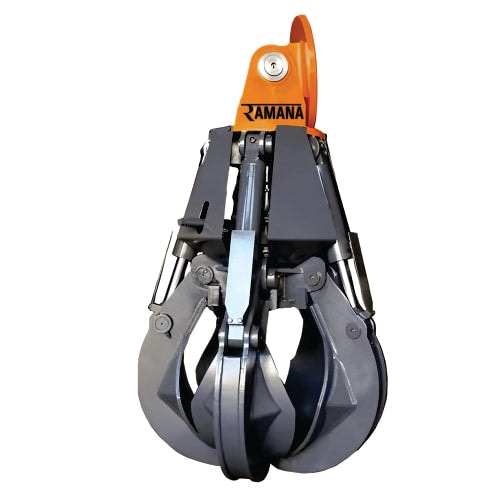
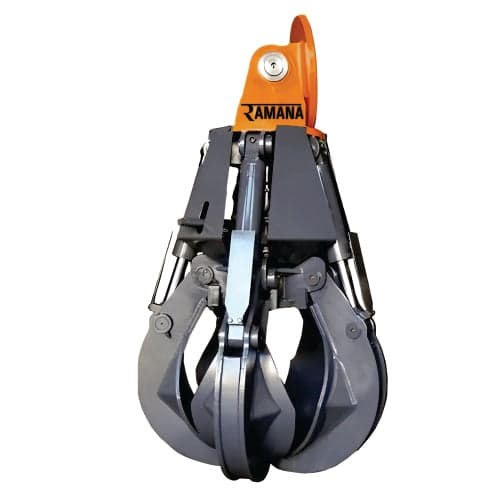
Hydraulic Scrap Grabber
Four- or six-jaw hydraulic grab for cranes and excavators, 0.5 to 3.5 m³.
View details