
سجل رامانا
لودهيانا، الهند
Understanding the Working of a Heavy-Duty Vertical Shear Machine
In scrap processing, handling large and heavy steel materials can be a challenge. Scrap yards, recycling plants and steel processing units often receive bulky metal pieces that are difficult to store, transport or process in their original size.
This is where a heavy-duty vertical shear machine becomes useful. It is designed to cut large scrap materials into smaller, manageable pieces. This makes further handling, storage, transportation and recycling easier.
In countries like India and the UAE, where steel scrap recycling plays an important role in the metal industry, these machines help businesses handle large volumes of scrap more efficiently.
But how does a vertical shear actually work? What happens inside the machine when large scrap enters it? Let's understand the complete working process in simple terms.
What Is a Heavy-Duty Vertical Shear Machine?
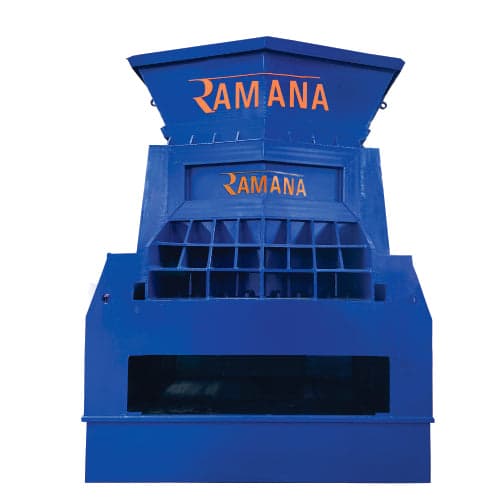
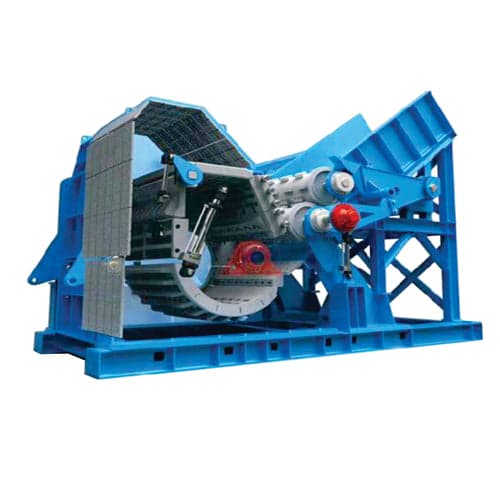
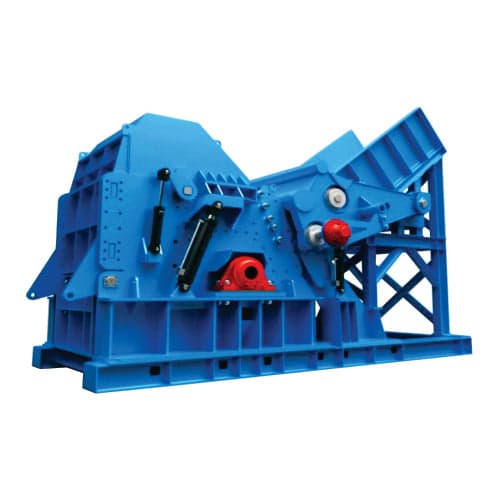
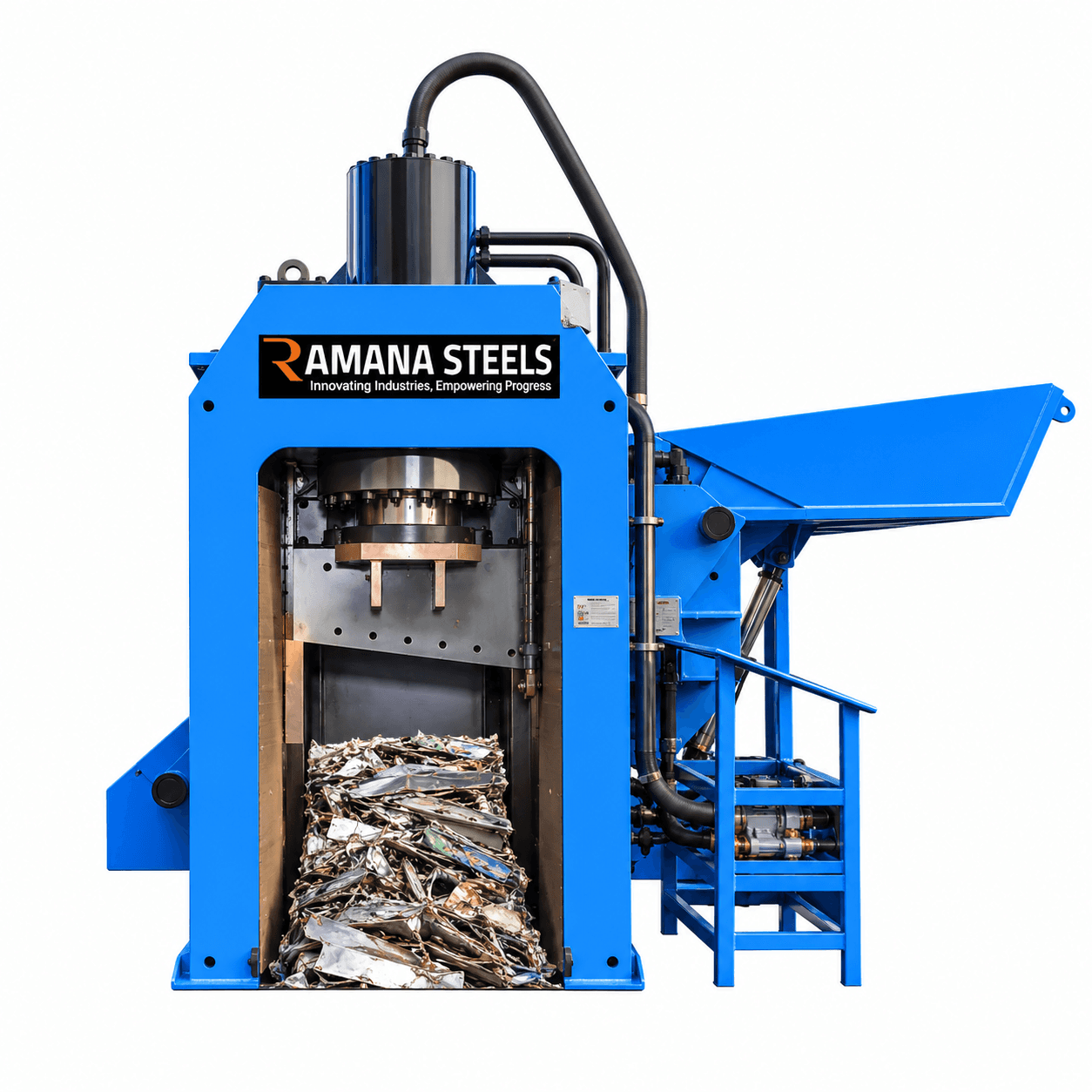
A heavy-duty vertical shear machine is an industrial machine used to cut large steel scrap and other suitable metal materials into smaller pieces.
It uses strong cutting blades and hydraulic pressure to apply force to the scrap material. The material is placed inside the cutting area, where the blades apply pressure and cut it into smaller sections.
Unlike machines designed only to press or compress scrap, a vertical shear focuses on cutting large scrap materials into smaller sizes.
These machines are commonly used in:
- Steel scrap recycling plants
- Metal processing industries
- Scrap yards and collection centres
- Steel manufacturing units
- Metal recovery and recycling facilities
- Industrial waste processing units
For businesses in India and the UAE, a heavy-duty vertical shear can help manage bulky steel scrap and prepare it for further recycling processes.
How Does a Heavy-Duty Vertical Shear Machine Work?
The working process of a vertical shear machine is based on hydraulic force and mechanical cutting. Although machine designs and operating systems can differ, the basic working process follows a few simple steps.
1. Loading the Scrap Material
The first step is to place the large scrap material into the machine's feeding or cutting area.
The material may include long steel sections, bulky metal pieces, structural scrap and other suitable steel scrap.
Depending on the machine design, scrap can be loaded using a crane, grab, excavator or other suitable material-handling equipment.
Proper loading is important because the material must be positioned correctly for safe and effective cutting.
2. Positioning the Scrap for Cutting
Once the scrap enters the cutting area, it needs to be positioned properly.
The machine's feeding and holding arrangement helps keep the material in the required position during the cutting process.
Correct positioning helps the cutting blades work effectively and reduces the chances of uneven cuts or material movement.
3. Applying Hydraulic Pressure
This is one of the most important parts of the process.
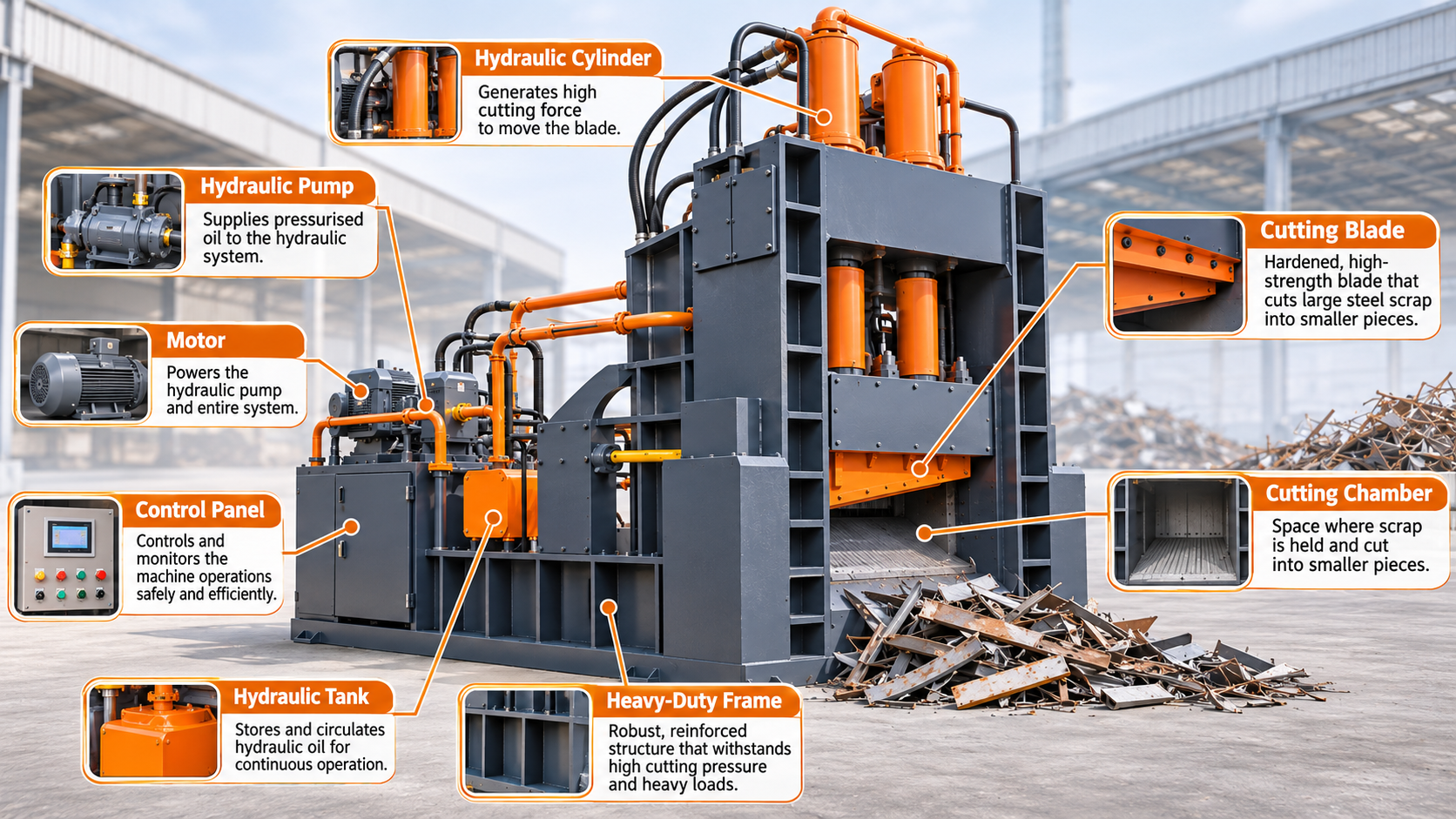
A hydraulic system uses pressurised oil to create the force needed to operate the machine. The hydraulic pump supplies oil to hydraulic cylinders, which help move the cutting blade.
When the operator starts the cutting cycle, hydraulic pressure moves the blade towards the scrap material.
The force required depends on the material's thickness, strength, size and cutting conditions.
4. Cutting the Scrap into Smaller Pieces
As the blade moves, it applies strong pressure against the metal.
The cutting force separates the large scrap material into smaller pieces. These pieces are easier to handle, store and transport compared to oversized scrap.
This is the main purpose of a heavy-duty vertical shear machine: reducing large scrap material into manageable sizes.
5. Removing the Cut Material
After cutting, the smaller scrap pieces are removed from the machine's cutting area.
Depending on the machine setup, this can be done through manual handling or suitable material-handling equipment.
The cut material can then be collected, sorted, stored or sent for further recycling and processing.
Main Parts of a Heavy-Duty Vertical Shear Machine
Understanding the main parts helps operators and buyers understand how the machine performs its cutting operation.
Each part has an important role in the cutting process. The quality, strength and design of these components can affect the machine's performance and working life.
Difference Between a Vertical Shear Machine and a Scrap Baler
Many businesses in the scrap recycling industry use both shearing machines and scrap balers. However, these machines perform different jobs.
A vertical shear cuts large scrap into smaller pieces, while a scrap baler presses loose or bulky scrap into compact blocks.
Both machines can support different stages of scrap processing. For example, large steel scrap can first be cut into smaller pieces using a shear. The suitable processed scrap can then be compressed using a baler, depending on the recycling process.
What Types of Scrap Can a Heavy-Duty Vertical Shear Machine Cut?
The material a machine can process depends on its cutting force, blade size, chamber dimensions and overall design.
Common examples of suitable scrap materials include:
- Structural steel: Large steel sections used in buildings and industrial structures.
- Steel pipes: Suitable pipes that need to be cut into smaller sections.
- Steel plates: Scrap plates from manufacturing and fabrication work.
- Steel beams and channels: Long structural materials that are difficult to handle in their original size.
- Rebar and metal bars: Suitable steel bars collected from construction and industrial sites.
- Automobile scrap: Selected metal parts and sections from old vehicles.
- Industrial steel scrap: Oversized metal pieces collected from factories and workshops.
Not every machine can cut every type of scrap. Before processing, businesses should check the material thickness, size, shape and strength against the machine's rated capacity.
Why Is a Vertical Shearing Machine Important for Scrap Recycling in India and the UAE?
India and the UAE have active steel, construction, infrastructure and metal recycling sectors. These industries generate different types of steel scrap that need proper handling before they can be reused.
A vertical shearing machine helps recycling businesses manage large scrap materials without relying entirely on manual cutting methods.
Let's look at how it supports businesses in both markets.
Importance in the Indian Scrap Recycling Industry
India has a wide range of steel processing units, industrial areas, construction businesses and scrap recycling facilities.
These businesses often collect steel scrap in different sizes and shapes. Large metal sections can take up more space and create difficulties during loading and transportation.
A heavy-duty vertical shear helps Indian scrap processors:
- Cut large steel scrap into smaller pieces.
- Prepare scrap for further recycling.
- Make bulky material easier to handle.
- Improve the use of available storage space.
- Reduce dependence on manual cutting for suitable materials.
- Support the regular flow of scrap processing operations.
For recycling businesses handling large quantities of steel scrap, choosing a machine according to daily processing requirements is important.
Importance in the UAE Scrap Recycling Industry
The UAE has a growing industrial and infrastructure sector, with scrap metal coming from construction, demolition, manufacturing and vehicle-related activities.
Scrap recycling companies in Dubai, Sharjah, Abu Dhabi and other industrial areas may handle large and heavy steel materials that need size reduction before further processing.
A heavy-duty vertical shear can help these businesses:
- Process large structural steel scrap.
- Cut bulky metal sections into manageable sizes.
- Prepare suitable scrap for recycling facilities.
- Make material handling and transportation easier.
- Support organised scrap processing operations.
For UAE businesses, it is also important to consider the available installation space, power supply, machine capacity and access to technical support before selecting equipment.
What Factors Should You Check Before Buying a Heavy-Duty Vertical Shear?
Buying a heavy-duty shear is an important investment for any scrap recycling business. The right machine should match the type and quantity of scrap you handle every day.
Here are some important points to consider before making a purchase.
1. Cutting Force
Cutting force determines how much pressure the machine can apply while cutting scrap.
If your business handles thick steel sections or heavy structural scrap, you should select a machine with suitable cutting force.
Do not choose a machine based only on its maximum cutting force. Check whether it can handle your actual material sizes and types.
2. Blade Quality
The blades come into direct contact with the scrap material during cutting.
Good blade quality is important for consistent cutting performance. Ask about the blade material, replacement process and availability of spare blades.
3. Machine Capacity
Think about how much scrap your business needs to process in a working day.
A machine selected for a small scrap yard may not be suitable for a large recycling plant.
Check the expected output, cutting speed and operating cycle before finalising the machine.
4. Hydraulic System
The hydraulic system provides the force required for cutting.
Check the quality of hydraulic cylinders, pumps, valves, pipes and other important components.
A well-designed hydraulic system supports smooth machine operation and helps reduce unwanted interruptions.
5. Loading and Feeding Arrangement
Large scrap materials need proper loading arrangements.
Depending on the machine design, cranes, grabs, excavators or other equipment may be needed to feed the scrap.
Make sure the feeding arrangement matches the size and type of material handled at your facility.
6. Safety Features
Safety should always be considered when selecting industrial scrap machinery.
Check for suitable emergency stops, safety guards, operator controls and protection against unexpected machine movement.
Operators should also receive proper training before using the machine.
7. After-Sales Support and Spare Parts
Machine performance is not the only thing to consider when buying industrial equipment.
You should also check whether technical assistance, spare parts and service support are available when needed.
This is particularly important for businesses in India and the UAE that depend on regular scrap processing operations.
Common Mistakes to Avoid While Using a Vertical Shear Machine
Even a heavy-duty machine can face problems if it is used incorrectly. Some common mistakes can affect cutting quality, machine performance and operator safety.
Regular inspection, correct loading and trained operators can help keep the machine working properly.
Safety Tips for Operating a Heavy-Duty Vertical Shear
A vertical shear uses high hydraulic force to cut metal. Therefore, operators must follow safety instructions during every working cycle.
Some important safety practices include:
- Only trained operators should operate the machine.
- Keep hands and other body parts away from the cutting area.
- Never stand near moving scrap during the cutting cycle.
- Check the working condition of emergency stop controls.
- Do not process gas cylinders, sealed containers or other hazardous items unless they have been properly assessed and made safe by qualified personnel.
- Use suitable gloves, safety shoes, eye protection and hearing protection.
- Never remove safety guards while the machine is operating.
- Switch off and isolate the machine before inspection or repair work.
- Keep unauthorised people away from the operating area.
These precautions are important for scrap recycling facilities in both India and the UAE. Always follow the machine manufacturer's instructions and applicable workplace safety requirements.
How Does a Vertical Shear Machine Help Improve Scrap Handling?
Large scrap materials can create several problems for recycling businesses. They may be difficult to load, take up more storage space and require additional effort during transportation.
A vertical shear helps address these challenges by reducing large scrap materials into smaller pieces.
Here are some practical benefits:
1. Easier Material Handling
الآلات في هذا التقرير
العودة إلى الجريدة
لنتحدث
هل تحتاج آلة لساحة الخردة أو مصنع الصلب؟
أخبرنا عن المواد والإنتاجية المطلوبة. سيوصي مهندسونا بالطراز المناسب ويرسلون عرض سعر مفصلاً.